

Perception vs Perspective: The Hidden Reason Good Companies Choose Bad Strategies
Back in the early days of Netflix, the team met with Blockbuster to explore a partnership. Netflix was small, clunky and still mailing DVDs in red envelopes.
Blockbuster passed. Their perception was that this wasn’t needed. The Blockbuster team’s biases led them to believe that status quo wouldn’t change. That people liked visiting stores, they liked browsing aisles, and they enjoyed picking out a movie for the night.
But Netflix had a different perspective. They looked at the world from the couch.
Real people didn’t love the store. They simply tolerated the experience along with the late fees, empty shelves and wasted trips.
Two companies looked at the same industry and saw two different futures.
One saw loyalty.
One saw friction.
Netflix’s perspective won.
You’ve probably done this too. Stood your ground and defended your opinion, only to find out later the other person wasn’t wrong. They were just seeing things from a different seat.
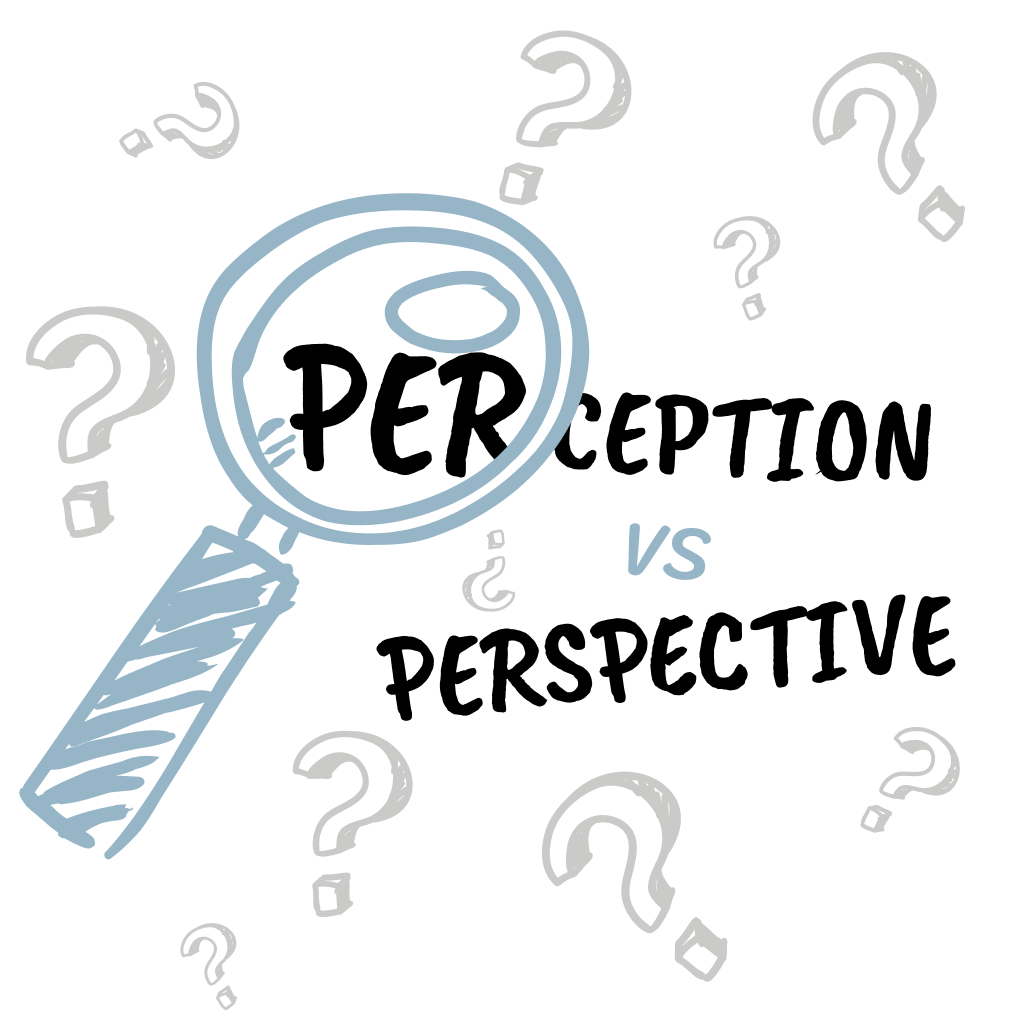
Understanding Perception vs Perspective in Leadership
We all look at the world through the lens we are standing behind.
Perception is your gut. The emotional story your brain writes based on your mood, your expectations and your stress level that morning.
Perspective is context. It’s shaped by the other person’s lived experience and what success looks like from their chair.
Most of us confuse the two and immediately believe that our perception is the truth rather than just our angle.
And when you are moving fast and trying to build something, you often forget that your angle isn’t the only one.
So instead you react, make assumptions and double down.
How Workplace Miscommunication Shows Up in Real Life
Your best developer goes quiet in standups and stops volunteering for anything.
You think they are checked out and that it’s time for a performance conversation.
Later you find out the roadmap changed three times in six weeks. And the last two features they built got scrapped without explanation. They're protecting themselves from doing work that won't matter.
A client sends a tense message at 9pm and you think they are overreacting.
From their view, they just told their CEO this would be done by Friday. Now it’s Thursday night and they are starting to panic, worried their reputation is at risk. Their emotion is about protecting their credibility with leadership.
Even leadership teams fall into this perspective gap.
Finance watches cash flow and budget constraints.
Sales watches pipeline velocity and close rates.
Operations watches delivery risk and resource capacity.
Same business with three different movies playing at the same time.
Early Warning Signs of Communication Breakdowns
You know the angle is off when:
- Your reaction is faster than your curiosity
- You are both saying the same thing but somehow talking past each other
- You feel certain you are right and they are just not getting it
- Team members seem disengaged when you think priorities are clear
These aren’t conflict signals. They are perspective gaps.
How to Bridge the Perspective Gap in Your Organization
Learn from Amazon's Customer-Centric Approach
Jeff Bezos forced his teams to change seats.
At Amazon, when engineers present ideas based on what’s cost effective and easy to implement, he would ask questions like “what does this look like if you’re trying to order diapers at 11pm?”
That simple shift in perspective drove major innovations like one-click purchasing and Prime delivery. Different seat. Different answer.
Practical Steps to Improve Leadership Communication
Pause before reacting to workplace challenges. Ask yourself: What does this look like from where they are sitting? What are they protecting and worried about? What pressures are they facing that I can't see?
Name the communication gap out loud when you notice it. Say: "I think we are seeing this differently. Walk me through your view." This simple acknowledgment can defuse tension and open real dialogue.
Create shared language and alignment tools. OKRs, scorecards and one-page plans create a single source of truth everyone looks at. When your team is aligned on what success looks like, the guessing game stops and workplace miscommunication decreases.
Bring in a neutral perspective. A Fractional COO or external advisor can see what you cannot because they are not tied to your history, your biases or your blind spots. A clean outside perspective removes the noise.
Make perspective-taking normal in your company culture. Ask your team in every meeting: "What am I missing here? What does this look like from your side?" The teams that build this habit stop arguing about who's right and start building from shared understanding.
The Bottom Line on Perception vs Perspective
Most workplace challenges are not about bad intentions or lack of effort. They're about standing in different places and thinking you're looking at the same thing.
Effective leadership communication means recognizing that your perception is just one angle. True perspective comes from understanding where others are standing and what they're seeing from their seat.
Remember where you are standing. And then go stand somewhere else for a minute.
Related Reading: How OKRs Can Align Your Team for Success | Not Everyone Will Like You: Embracing Discomfort as a Leader | Seagulls Belong at the Beach, Not in Your Business | The First 90 Days: Key Moves for New Executives


.jpg)
.svg)


